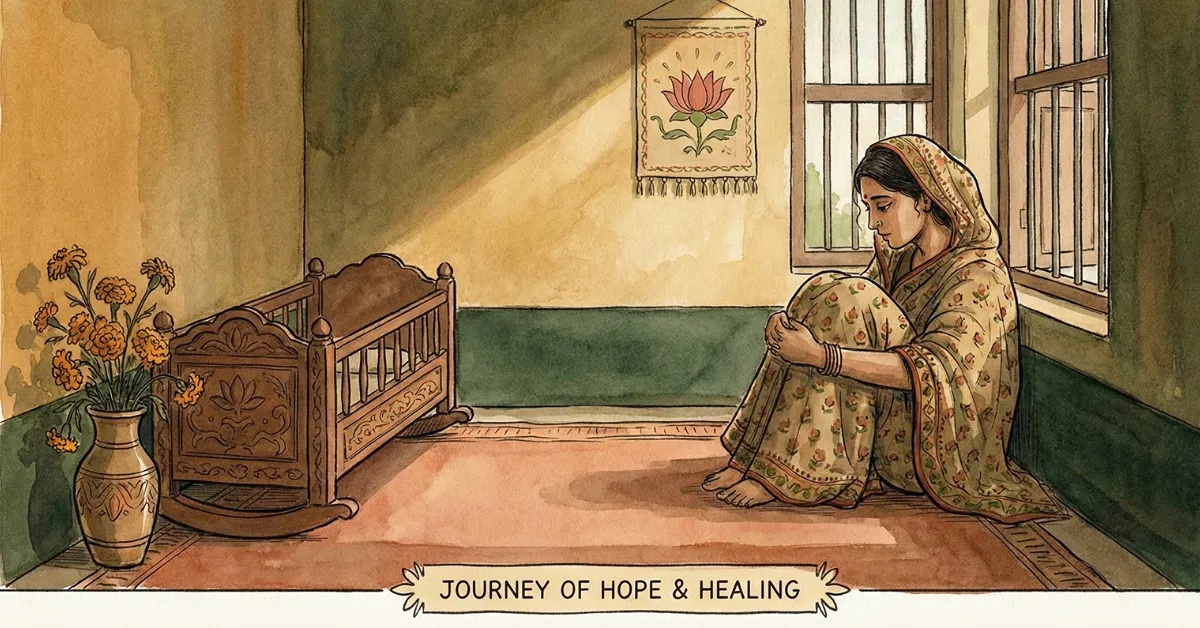
In a society where a woman's worth is often measured by her ability to bear children, the journey through infertility can feel like walking through fire—alone. For millions of Bangladeshi women struggling to conceive, the pain goes far beyond the physical. It seeps into every corner of life, affecting mental health, relationships, and sense of self.
At Mindspace, we understand that infertility is not just a medical condition—it's an emotional crisis that deserves compassionate support.
The Silent Struggle: Infertility in Bangladesh
Infertility affects an estimated 15-20% of couples in Bangladesh. Yet despite how common it is, those experiencing it often feel utterly alone. Why? Because in a pronatalist culture where motherhood is seen as a woman's primary purpose, admitting to fertility struggles invites judgment, pity, and blame.
The Cultural Context
In Bangladesh, the pressure to have children begins almost immediately after marriage:
- "When is the good news?" – The question every newlywed dreads- Family expectations – In-laws expecting grandchildren- Social status – Childless women facing reduced respect- Religious misconceptions – Fertility seen as "Allah's blessing" (implying infertility is punishment)- Marriage security – Fear that husband will take a second wife
This cultural backdrop transforms a medical issue into a daily psychological battle.
The Mental Health Impact of Infertility
Research consistently shows that infertility has profound effects on mental health, comparable to being diagnosed with cancer or heart disease.
Depression and Infertility
Women experiencing infertility are significantly more likely to develop depression:
- Feelings of hopelessness about the future- Loss of identity – "What's wrong with me?"- Grief for the children they cannot have- Guilt – especially if previous choices (career, timing) are blamed- Isolation from pregnant friends and family celebrations
Anxiety and Infertility
The uncertainty of infertility breeds intense anxiety:
- Obsessive tracking of cycles and symptoms- Fear of each pregnancy test- Anticipatory grief – preparing for disappointment- Medical anxiety – stress of treatments and procedures- Financial worry – fertility treatments are expensive
Other Mental Health Effects
- Relationship strain with partner- Sexual dysfunction – intimacy becomes "work"- Low self-esteem and feelings of inadequacy- Social withdrawal – avoiding baby showers, Eid gatherings- Trauma from miscarriages or failed treatments- Suicidal thoughts in severe cases
The Unique Stigma in Bangladesh
While infertility is stressful anywhere, Bangladeshi women face particular challenges:
Blame Falls on Women
Despite infertility being equally likely to stem from male factors, women bear the blame:
- "She can't give him children" – Society's judgment- Reluctance of husbands to get tested- Shame prevents women from seeking help- In-laws' pressure targets the wife
Social Consequences
Women without children may face:
- Exclusion from family discussions and decisions- Mockery or pitying comments- Threats of divorce or second marriage- Reduced inheritance rights- Loss of respect in community
Harmful Beliefs and Practices
- "Traditional remedies" that don't work and delay real treatment- Faith healers who blame women's "sins"- Dietary restrictions that have no scientific basis- Isolation as a form of "treatment"
Coping Strategies: Protecting Your Mental Health
While you navigate your fertility journey, protecting your mental health is crucial. Here are evidence-based strategies:
1. Allow Yourself to Grieve
Infertility involves multiple losses:- Loss of the imagined future- Loss of control over your body- Loss of spontaneity in your relationship- Monthly losses with each negative test
It's okay to mourn these losses. Grief is a natural response, not weakness.2. Set Boundaries
You have the right to protect yourself:
- Skip events that feel too painful (baby showers, etc.)- Prepare responses for intrusive questions- Limit social media exposure to pregnancy announcements- Tell people what you need – "I'd rather not discuss this"
Sample Responses for Difficult Questions
| Question | Possible Response |
|---|---|
| "When will you have kids?" | "We're focusing on our relationship right now." |
| "Have you tried [remedy]?" | "Thanks, but we're working with doctors." |
| "It's Allah's will." | "I appreciate your thoughts. Please keep us in prayers." |
| "You should relax and it'll happen." | "It's actually a medical issue we're addressing." |
3. Communicate with Your Partner
Infertility can strain even strong marriages:
- Schedule regular check-ins about how you're both feeling- Attend appointments together when possible- Make time for intimacy that's not about conception- Be patient with each other's coping styles- Consider couples counseling
4. Seek Professional Mental Health Support
A counselor or therapist can help you:
- Process grief and loss- Develop coping strategies- Navigate relationship challenges- Manage anxiety and depression- Make decisions about treatment options
5. Build Your Support Network
- Connect with others experiencing infertility- Join support groups (online or in-person)- Identify trusted friends or family members- Limit time with people who don't understand
6. Practice Self-Care
- Exercise regularly – releases mood-boosting endorphins- Get enough sleep – essential for emotional regulation- Eat nutritiously – supports overall health- Engage in hobbies – remember who you are beyond fertility- Practice mindfulness – stay present rather than worrying
7. Manage the Medical Journey
- Stay informed but set limits on research- Ask questions at appointments- Know when to take breaks from treatment- Explore all options including alternative paths to parenthood- Keep perspective – your worth is not defined by fertility
Talking to Family About Infertility
One of the hardest parts is managing family pressure. Here's how:
For Your Parents/In-Laws
- Choose a private moment to talk- Be honest but brief – share what you're comfortable with- Set clear boundaries about questions- Ask for their support, not solutions- Educate them that infertility is medical, not a choice
For Your Partner's Family
- Decide together what to share- Present a united front- Address harmful comments calmly but firmly- Involve your partner in difficult conversations
For Siblings and Extended Family
- Share on a need-to-know basis- Ask them to respect your privacy- Request they not share with others
When Infertility Treatment Fails
Sometimes, despite every effort, pregnancy doesn't happen. This is devastating, but it's not the end:
Alternative Paths to Parenthood
- Adoption – giving a child a loving home- Foster care – providing temporary or permanent care- Guardianship – caring for a relative's child
Living a Fulfilling Child-Free Life
If you choose not to pursue other paths:
- Grieve the loss – it's real and valid- Redefine your identity – you are more than potential motherhood- Find meaning in other ways – career, relationships, community- Build your legacy through impact, not just offspring
Breaking the Stigma: You Are Not Alone
If you're struggling with infertility, please know:
- You are not broken- This is not your fault- Your worth is not measured by your womb- You deserve support and compassion- There is no shame in seeking help
Mindspace: Here for Your Journey
At Mindspace, we offer specialized support for women facing infertility:
Our Services Include:
- Individual counseling for depression and anxiety- Couples therapy to strengthen your relationship- Support groups connecting you with others who understand- Online sessions for privacy and convenience- Family counseling to help relatives understand- Decision-making support for treatment choices
Why Choose Mindspace?
- Culturally sensitive approach- Non-judgmental environment- Experienced counselors trained in infertility-related issues- Affordable options- Confidential services
A Message of Hope
To every woman reading this while wondering if she'll ever become a mother—we see you. We hear you. Your pain is valid, and your feelings matter.
The path through infertility is rarely straight, and it's never easy. But you don't have to walk it alone. With the right support, you can protect your mental health, strengthen your relationships, and find your way forward—whatever that looks like for you.
Your journey is your own. And you are worthy of support every step of the way.Frequently Asked Questions
Is it normal to feel depressed during infertility treatment?
Absolutely. The emotional toll of infertility is significant. If you're experiencing persistent sadness, hopelessness, or thoughts of self-harm, please reach out to a mental health professional.How do I deal with pregnancy announcements?
It's okay to feel sad or jealous. Allow yourself those feelings, then do something nurturing for yourself. It's also okay to temporarily mute or avoid triggering content.Should I tell people about our infertility?
That's entirely your choice. Share only what feels comfortable. You're not obligated to explain your family planning to anyone.Can stress cause infertility?
While stress alone doesn't cause infertility, chronic stress can affect hormones and overall health. Managing stress is important, but don't blame yourself for "not relaxing enough."If you're struggling with the mental health impact of infertility, Mindspace is here to help. Contact us today for compassionate, confidential support.You are more than your fertility. And you deserve to be supported.