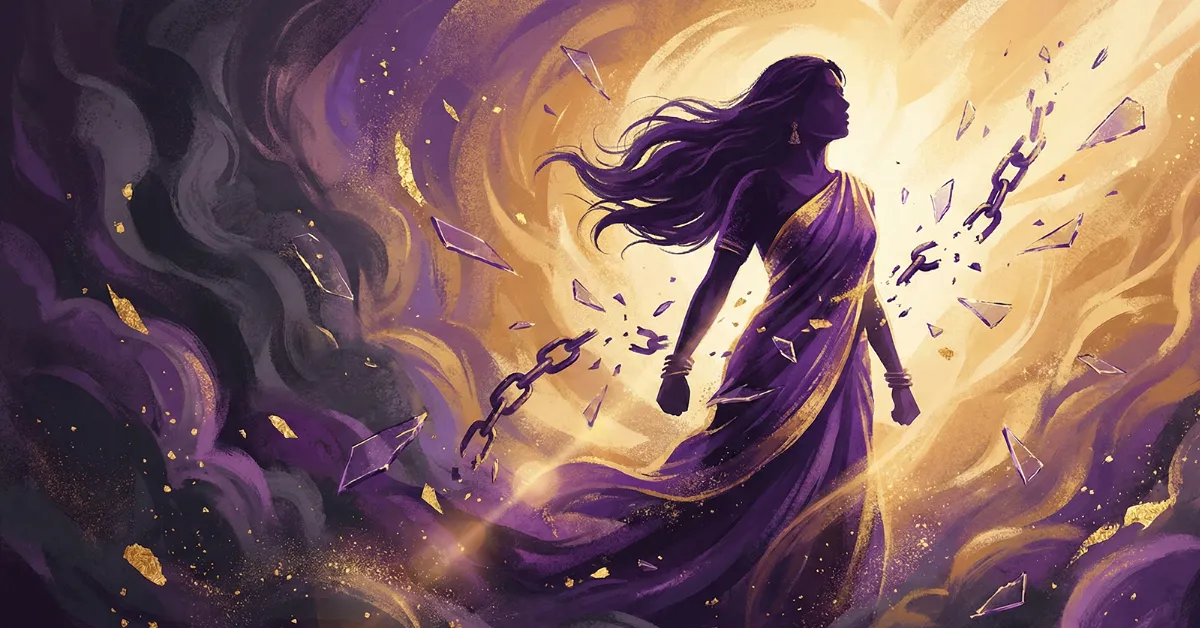
Behind closed doors across Bangladesh, millions of women endure a nightmare that society often ignores, minimizes, or even justifies. Domestic violence isn't just physical bruises—it's a systematic destruction of a person's mental health, self-worth, and hope for the future.
If you are experiencing domestic violence, know this: It is not your fault. You deserve to be safe. And help is available.
At Mindspace, we are committed to supporting survivors of domestic violence on their journey to healing. This article is for you—and for everyone who wants to understand and help break the cycle of trauma.
The Reality of Domestic Violence in Bangladesh
The statistics are heartbreaking:
- Over 72% of married women in Bangladesh have experienced some form of domestic violence- 65% of women have experienced physical violence from their husbands- Only 3% of cases are reported to authorities- Violence increases during economic stress, pregnancy, and conflicts
These numbers represent real women—our mothers, sisters, daughters, friends, and neighbors. Behind each statistic is immeasurable suffering.
Understanding Domestic Violence
Domestic violence isn't just hitting. It encompasses multiple forms of abuse:
Types of Domestic Violence
| Type | Examples |
|---|---|
| Physical | Hitting, slapping, kicking, choking, burning, throwing objects |
| Emotional/Psychological | Insults, humiliation, threats, controlling behavior, isolation |
| Sexual | Forced sex, reproductive coercion, sexual humiliation |
| Economic | Controlling money, preventing employment, taking earnings |
| Digital | Monitoring phone/social media, sharing intimate images |
| Neglect | Denying food, medical care, basic needs |
The Cycle of Violence
Domestic violence often follows a predictable pattern:
Understanding this cycle helps explain why leaving is so difficult—and why it often takes multiple attempts.
The Mental Health Impact of Domestic Violence
Violence doesn't just harm the body. It devastates the mind and spirit.
Post-Traumatic Stress Disorder (PTSD)
Many survivors develop PTSD, characterized by:
- Intrusive memories – Flashbacks, nightmares- Avoidance – Avoiding reminders of trauma- Negative changes in thoughts/mood – Guilt, shame, detachment- Hyperarousal – Being constantly on edge, easily startled
"I still flinch every time I hear a door slam. Even though I'm safe now, my body doesn't know it." — Survivor, Chittagong
Depression
Domestic violence is one of the strongest predictors of depression:
- Persistent sadness and hopelessness- Loss of interest in life- Fatigue and low energy- Feelings of worthlessness- Thoughts of suicide
Anxiety Disorders
Survivors often experience:
- Generalized anxiety – Constant worry- Panic attacks – Sudden intense fear- Social anxiety – Fear of judgment- Phobias – Fear of situations related to abuse
Complex Trauma
Long-term abuse creates complex PTSD, with additional symptoms:
- Difficulty regulating emotions- Dissociation – Feeling disconnected from self- Distorted self-perception – Deep shame- Relationship difficulties – Trust issues- Loss of meaning – Spiritual crisis
Other Mental Health Effects
- Substance abuse – Using alcohol/drugs to cope- Eating disorders – Control through food- Self-harm – Coping with emotional pain- Suicidal ideation – Feeling there's no way out- Chronic pain – Physical manifestations of trauma
Family Dynamics and Violence
Consanguineous Marriage and Family Violence
In some communities, marriages between relatives (cousins, etc.) can create complicated family dynamics:
- Family pressure to "tolerate" abuse to preserve relationships- Limited external support when everyone is related- Difficulty leaving when abuser's family is your family- Children caught in complex family webs
Impact on Children
Children who witness domestic violence suffer:
- Behavioral problems – Acting out, aggression- Emotional issues – Anxiety, depression- Developmental delays – Learning difficulties- Intergenerational trauma – Patterns repeating- Long-term health effects – Physical and mental
Barriers to Leaving and Seeking Help
Understanding these barriers helps us support survivors without judgment:
Why Women Stay (or Return)
- Fear – Threats to her or children if she leaves- Economic dependence – No money or job skills- Children – Wanting to keep family together- Love – Still caring for the person (not the abuse)- Hope – Believing he will change- Shame – Not wanting others to know- Isolation – No support system- Cultural/Religious beliefs – Pressure to "make it work"- Immigration status – Fear of deportation- Lack of resources – Nowhere to go- Previous failed attempts – Lost hope
Leaving is the most dangerous time. Violence often escalates when a woman tries to leave. Survivors need safety planning and support.Getting Help: Resources in Bangladesh
If you or someone you know is experiencing domestic violence, help is available:
Emergency Helplines
| Service | Number | Available |
|---|---|---|
| National Emergency Helpline | 999 | 24/7 |
| National Helpline for Women & Children | 109 | 24/7 |
| Kaan Pete Roi | 01779-554391 | Evening hours |
| One Stop Crisis Centre | Various hospitals | 24/7 |
Organizations That Can Help
- Bangladesh National Woman Lawyers' Association (BNWLA) – Legal support- Ain o Salish Kendra (ASK) – Legal aid and advocacy- Naripokkho – Women's rights organization- BRAC – Community support programs- Mindspace – Mental health support
What to Do If You're in Immediate Danger
Healing from Domestic Violence Trauma
Recovery is possible. It takes time, support, and professional help, but survivors can rebuild their lives.
Professional Mental Health Support
At Mindspace, we offer trauma-informed care:
- Trauma-focused therapy – Processing experiences safely- PTSD treatment – Evidence-based approaches- Depression and anxiety treatment- Safety planning – Practical strategies for protection- Support groups – Connecting with other survivors- Child counseling – Supporting children affected
Evidence-Based Treatments for Trauma
- Cognitive Processing Therapy (CPT) – Changing trauma-related thoughts- EMDR – Eye Movement Desensitization and Reprocessing- Trauma-Focused CBT – Especially effective for children- Somatic therapies – Releasing trauma held in the body- Mindfulness-based approaches – Managing symptoms
Self-Care for Survivors
While professional help is important, daily self-care supports healing:
- Establish safety – Physical and emotional- Connect with supportive people- Practice grounding techniques for flashbacks- Maintain routines for stability- Be patient with yourself- Celebrate small victories
How to Help Someone Experiencing Domestic Violence
Do's
✅ Listen without judgment – Believe them✅ Validate their feelings – "It's not your fault"✅ Respect their decisions – They know their situation best✅ Provide information – Share resources✅ Offer practical support – A safe place, childcare, money✅ Be patient – Leaving takes time✅ Check in regularly – Show ongoing support
Don'ts
❌ Don't blame them – "Why don't you just leave?"❌ Don't pressure decisions – Let them lead❌ Don't confront the abuser – This can increase danger❌ Don't give ultimatums – "I won't help unless..."❌ Don't share their information – Maintain confidentiality
Breaking the Cycle: Prevention and Social Change
Ending domestic violence requires societal transformation:
What Needs to Change
- Legal enforcement – Existing laws must be applied- Education – Teaching healthy relationships- Economic empowerment – Women's financial independence- Challenging norms – Gender equality in homes- Training – Police, healthcare workers, teachers- Men's engagement – Men speaking out against violence- Media responsibility – Not normalizing violence
How You Can Help
- Speak up against violence in your community- Support organizations working on this issue- Challenge harmful beliefs when you hear them- Model healthy relationships for children- Vote for policies that protect women
A Message to Survivors
If you are reading this and you are in an abusive situation:
You are not alone.You are not to blame.You deserve safety and peace.It is possible to heal.Leaving an abusive relationship is one of the hardest things a person can do. If you're not ready to leave, that's okay. Focus on your safety and know that support is available when you need it.
And if you have left—or when you do—know that the mental health effects of what you've experienced are real and valid. You're not "crazy" or "weak." You're a survivor carrying the weight of trauma. With support, you can heal.
Mindspace: Your Partner in Healing
At Mindspace, we understand the unique challenges faced by domestic violence survivors:
Our Services Include:
- Trauma-informed counseling – From trained professionals- Online sessions – Safe and confidential- Sliding scale fees – Accessible to all- Referrals – Connecting you with legal and social services- Support groups – Community of survivors- Family counseling – For those rebuilding after abuse
Why Survivors Trust Mindspace
- Confidential – Your privacy is protected- Non-judgmental – No blame, only support- Culturally sensitive – We understand local realities- Trauma-informed – All staff trained in trauma care- Empowering – We support your choices
Frequently Asked Questions
Is domestic violence just physical abuse?
No. Domestic violence includes emotional, psychological, sexual, economic, and digital abuse. All forms are serious and harmful.Why does the government not do more?
While laws exist (Domestic Violence Prevention and Protection Act 2010), enforcement is weak. Advocacy for better implementation is ongoing.Can abusers change?
Some abusers can change with intensive, specialized intervention. However, it's not the victim's job to change them, and safety must always come first.How long does it take to heal from domestic violence trauma?
Healing is individual. With support, many survivors make significant progress in months to years. The effects may linger but become manageable.Emergency Contacts
If you are in immediate danger:- Emergency: 999- Women & Children Helpline: 109- Kaan Pete Roi: 01779-554391
You deserve to be safe. Reach out for help today.Mindspace stands with survivors of domestic violence. You are not alone in this fight.