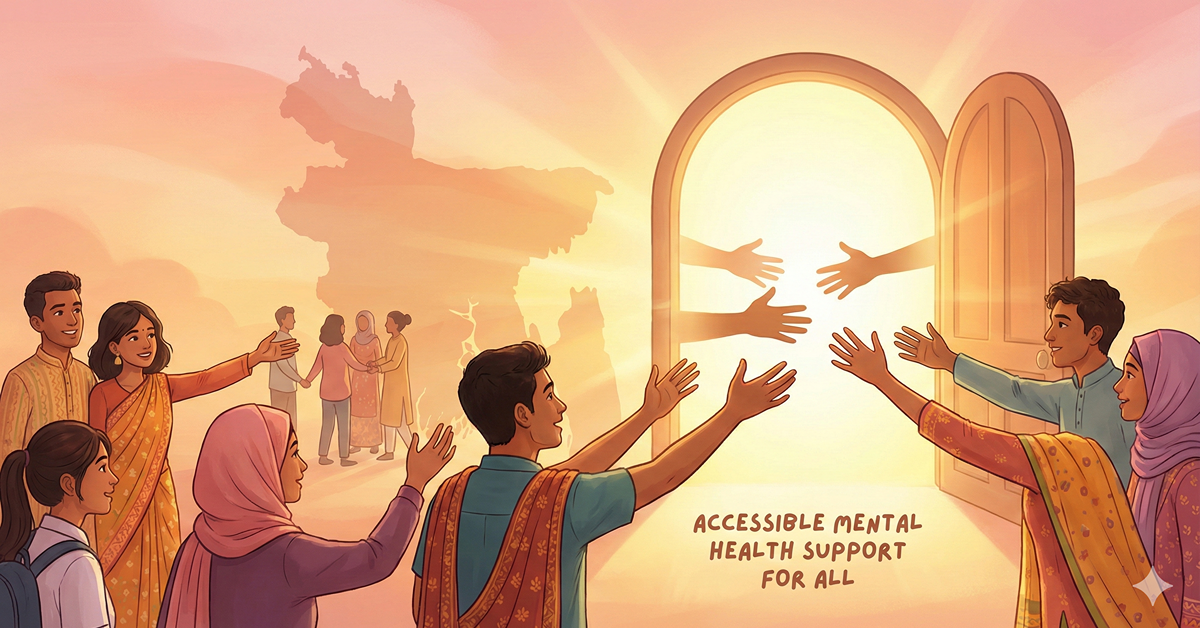
What is Mental Health? A Complete Definition
The Official Mental Health Definition
According to the World Health Organization (WHO):
Mental health is a state of mental well-being that enables people to cope with the stresses of life, realize their abilities, learn well and work well, and contribute to their community.
Breaking Down the Definition
Mental health encompasses three key dimensions:
1. Emotional Well-being- Ability to manage emotions- Experiencing positive feelings- Life satisfaction- Sense of purpose2. Psychological Well-being- Self-acceptance- Personal growth- Autonomy- Positive relationships- Environmental mastery- Purpose in life3. Social Well-being- Social contribution- Social integration- Social acceptance- Social actualization- Social coherenceMental Health vs. Mental Illness
It's crucial to understand the distinction:
| Mental Health | Mental Illness |
|---|---|
| A continuum everyone exists on | Diagnosable conditions |
| Can be positive, neutral, or struggling | Includes disorders like depression, anxiety, bipolar |
| Influenced by daily factors | Requires professional diagnosis |
| Everyone has mental health | Not everyone has mental illness |
| Can be maintained and improved | Can be treated and managed |
Why Mental Health Awareness Matters
The Global Mental Health Crisis
Sobering Statistics (2026):- 1 in 4 people worldwide will experience a mental health condition- 970 million people globally live with a mental disorder- Depression is the leading cause of disability worldwide- Suicide is the 4th leading cause of death among 15-29 year-olds- Only 2% of national health budgets go to mental health globally
The Bangladesh Context
In Bangladesh specifically:
- 16.1% of adults experience mental health conditions- 92% of those affected don't receive treatment- Only 0.5% of the health budget allocated to mental health- Less than 1 psychiatrist per 200,000 people- Significant stigma prevents help-seeking
Why Awareness Saves Lives
Mental health awareness leads to:✅ Earlier intervention: People recognize symptoms sooner✅ Reduced stigma: Open conversations normalize help-seeking✅ Better outcomes: Treatment works when people access it✅ Stronger communities: Supportive environments protect mental health✅ Policy change: Awareness drives funding and resources
World Mental Health Day: October 10th
History and Significance
World Mental Health Day is observed annually on October 10th, initiated by the World Federation for Mental Health in 1992. The day aims to:- Raise awareness of mental health issues globally- Mobilize efforts in support of mental health- Provide an opportunity for stakeholders to talk about their work- Highlight what more needs to be done
Recent World Mental Health Day Themes
| Year | Theme |
|---|---|
| 2025 | Mental Health at Work |
| 2024 | Mental Health is a Universal Human Right |
| 2023 | Mental Health is a Universal Human Right |
| 2022 | Make Mental Health for All a Global Priority |
| 2021 | Mental Health in an Unequal World |
How to Participate in Mental Health Day
Individual Actions:- Share mental health resources on social media- Wear green (the mental health awareness color)- Start conversations about mental wellness- Check in on friends and family- Share your own story (if comfortable)Community Actions:- Organize awareness events- Host workshops or webinars- Partner with mental health organizations- Create safe spaces for discussion- Distribute educational materialsWorkplace Actions:- Offer mental health days off- Provide employee assistance programs- Train managers in mental health first aid- Reduce workplace stressors- Normalize mental health conversationsUnderstanding Common Mental Health Conditions
Anxiety Disorders
What it is: Persistent, excessive worry that interferes with daily activitiesTypes:- Generalized Anxiety Disorder (GAD)- Social Anxiety Disorder- Panic Disorder- Phobias- Separation AnxietySigns to watch for:- Constant worry- Restlessness- Difficulty concentrating- Sleep problems- Physical symptoms (racing heart, sweating)Prevalence: Affects approximately 301 million people globallyDepression
What it is: Persistent sadness and loss of interest affecting daily functioningTypes:- Major Depressive Disorder- Persistent Depressive Disorder- Postpartum Depression- Seasonal Affective DisorderSigns to watch for:- Persistent sadness or emptiness- Loss of interest in activities- Changes in appetite/weight- Sleep disturbances- Fatigue- Difficulty concentrating- Thoughts of death or suicidePrevalence: Affects approximately 280 million people globallyBipolar Disorder
What it is: Extreme mood swings including emotional highs (mania) and lows (depression)Signs to watch for:- Episodes of elevated mood- Periods of depression- Changes in sleep patterns- Impulsive behavior during mania- Energy level fluctuationsPrevalence: Affects approximately 40 million people globallyPost-Traumatic Stress Disorder (PTSD)
What it is: Condition triggered by experiencing or witnessing a traumatic eventSigns to watch for:- Flashbacks and nightmares- Avoidance of triggers- Negative changes in thoughts/mood- Hyperarousal and reactivityEating Disorders
Types:- Anorexia Nervosa- Bulimia Nervosa- Binge Eating DisorderWarning signs:- Preoccupation with food, weight, body image- Restrictive eating patterns- Excessive exercise- Distorted body imageThe Foundations of Good Mental Health
The Five Ways to Wellbeing
Evidence-based actions that promote mental wellness:
1. Connect- Build relationships with family and friends- Connect with your community- Make time for people who matter2. Be Active- Find physical activities you enjoy- Exercise regularly- Go for walks in nature3. Take Notice- Practice mindfulness- Be present in the moment- Appreciate simple pleasures4. Keep Learning- Try new things- Set achievable goals- Embrace curiosity5. Give- Do something kind- Volunteer your time- Express gratitudeDaily Mental Health Habits
Morning Routine:- Wake at consistent times- Practice gratitude (name 3 things)- Avoid phone for first 30 minutes- Eat a nutritious breakfast- Move your bodyThroughout the Day:- Take regular breaks- Practice deep breathing- Connect with others- Spend time outdoors- Limit social mediaEvening Routine:- Wind down 1 hour before bed- Reflect on the day- Practice relaxation techniques- Maintain consistent sleep schedule- Create a restful environmentMental Health Awareness for Different Groups
For Students
Unique Challenges:- Academic pressure- Social challenges- Identity development- Financial stress- Future uncertaintySupport Strategies:- Use campus counseling services- Build peer support networks- Maintain study-life balance- Practice stress management- Seek help earlyFor Working Professionals
Unique Challenges:- Workplace stress- Work-life balance- Career pressure- Burnout risk- Remote work isolationSupport Strategies:- Set boundaries- Use employee assistance programs- Take mental health days- Practice stress management- Communicate with managersFor Parents and Caregivers
Unique Challenges:- Caregiving burden- Parenting stress- Work-family balance- Vicarious trauma- Self-neglectSupport Strategies:- Prioritize self-care- Accept help from others- Join support groups- Model healthy coping- Seek respite careFor Older Adults
Unique Challenges:- Isolation and loneliness- Health concerns- Loss and grief- Cognitive changes- Life transitionsSupport Strategies:- Stay socially connected- Maintain physical activity- Engage in meaningful activities- Address health concerns- Access senior servicesHow to Support Someone's Mental Health
Starting the Conversation
Helpful phrases:- "I've noticed you seem down lately. How are you really doing?"- "I'm here if you want to talk. No pressure."- "It takes courage to share what you're going through."- "What you're feeling is valid."- "How can I best support you?"What NOT to say:- ❌ "Just think positive"- ❌ "Others have it worse"- ❌ "Snap out of it"- ❌ "It's all in your head"- ❌ "You don't look depressed"The ALGEE Action Plan (Mental Health First Aid)
A - Approach, assess, and assist with any crisisL - Listen nonjudgmentallyG - Give support and informationE - Encourage appropriate professional helpE - Encourage self-help and other support strategiesWhen to Encourage Professional Help
Suggest professional support when someone:- Struggles to function daily- Has persistent symptoms (2+ weeks)- Uses substances to cope- Withdraws from relationships- Talks about self-harm or suicide- Shows significant personality changes
Breaking the Mental Health Stigma
Types of Stigma
Public Stigma: Negative attitudes society holdsSelf-Stigma: Internalized shameInstitutional Stigma: Discriminatory policies and practicesHow to Combat Stigma
Personal Level:- Educate yourself about mental health- Use person-first language- Share your own experiences- Challenge stereotypes- Treat mental and physical health equallyCommunity Level:- Support anti-stigma campaigns- Create inclusive environments- Train community members- Celebrate mental health champions- Promote positive storiesLanguage Matters
| Instead of... | Say... |
|---|---|
| "Crazy," "insane," "psycho" | "Living with a mental health condition" |
| "Committed suicide" | "Died by suicide" |
| "Mental patient" | "Person receiving mental health treatment" |
| "Normal" vs. "abnormal" | "Typical" vs. "less common" |
| "Suffering from" | "Living with" or "experiencing" |
Mental Health Resources and Further Reading
Books
- "The Body Keeps the Score" by Bessel van der Kolk- "Lost Connections" by Johann Hari- "Feeling Good" by David D. Burns- "The Happiness Trap" by Russ Harris- "Maybe You Should Talk to Someone" by Lori Gottlieb
Websites
- WHO Mental Health: who.int/health-topics/mental-health- Mental Health Foundation: mentalhealth.org- NIMH: nimh.nih.gov- Mind: mind.org.uk
Apps
- Headspace (meditation)- Calm (relaxation)- Woebot (CBT chatbot)- Daylio (mood tracking)- Insight Timer (free meditation)
Taking Action: Your Mental Health Awareness Checklist
This Week
- [ ] Learn one new fact about mental health- [ ] Check in on someone you care about- [ ] Practice one self-care activity daily- [ ] Share a mental health resourceThis Month
- [ ] Have an open conversation about mental health- [ ] Identify local mental health resources- [ ] Evaluate your own mental wellness- [ ] Support a mental health organizationThis Year
- [ ] Attend a mental health awareness event- [ ] Learn mental health first aid- [ ] Advocate for mental health policies- [ ] Create a sustainable self-care routineConclusion
Mental health awareness isn't just about one day or one month—it's an ongoing commitment to understanding, supporting, and prioritizing mental wellness. Whether you're learning the mental health definition for the first time or marking your tenth World Mental Health Day, every step toward awareness makes a difference.Remember: Mental health affects everyone, and everyone can play a role in creating a mentally healthy world. Start with yourself, extend to your community, and together we can transform how the world views and supports mental wellness.
Want to learn more about mental health or access support in Bangladesh? Contact Mindspace for resources, counseling services, and awareness programs.Emergency Support:- Bangladesh Mental Health Helpline: 16789- Kaan Pete Roi: 01779-554391- International: befrienders.org/find-a-helpline
This article is for educational purposes only and does not constitute medical advice. If you're experiencing mental health difficulties, please consult a qualified mental health professional.