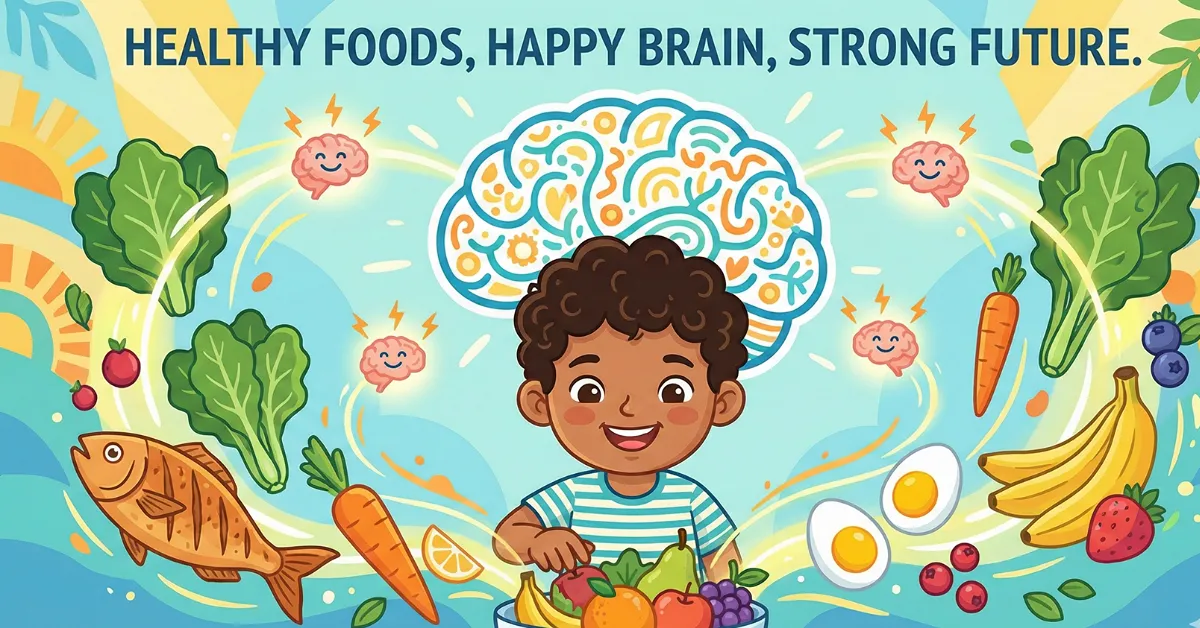
Your child is irritable, tired, and can't concentrate. They're not interested in playing, their grades are slipping, and they seem sad for no reason. You wonder: Is this depression? ADHD? A behavioral problem?
Before jumping to conclusions, there's a question worth asking: What is your child eating?
The connection between nutrition and mental health is one of the most important yet overlooked factors in child development. In Bangladesh, where nutritional deficiencies remain common, many children's mood and behavioral issues may have a dietary component.
At Mindspace, we believe in treating the whole child—mind AND body. Let's explore how vitamins and minerals affect your child's brain.
The Food-Mood Connection: Why Nutrition Matters for Mental Health
The Brain is Hungry
The brain is only 2% of body weight but uses 20% of the body's energy. It's the most metabolically active organ, and it needs:
- Glucose — For energy- Fatty acids — For brain structure- Amino acids — For neurotransmitters- Vitamins — For brain function- Minerals — For signaling and structure
When any of these are missing, brain function suffers—and that shows up in mood, behavior, and cognition.
How Deficiencies Affect the Brain
| Nutrient | Brain Function | Deficiency Signs |
|---|---|---|
| Iron | Oxygen transport, neurotransmitters | Fatigue, poor concentration, irritability |
| Vitamin D | Mood regulation, brain development | Depression, anxiety, cognitive issues |
| Zinc | Neurotransmitter function | Poor attention, irritability, depression |
| B Vitamins | Energy production, nerve function | Fatigue, mood swings, poor memory |
| Omega-3 | Brain structure, inflammation | Attention problems, mood issues |
| Iodine | Brain development | Cognitive impairment, lethargy |
Iron: The Most Critical Deficiency in Bangladesh
The Problem
Iron deficiency is the most common nutritional deficiency in the world, and Bangladesh has one of the highest rates:- 50-60% of children under 5 have anemia- 40%+ of school-age children are iron deficient- Girls and women are particularly affected
How Iron Deficiency Affects Mental Health
Iron is essential for:- Oxygen transport to the brain- Dopamine production (motivation, attention, pleasure)- Serotonin production (mood, sleep)- Myelin formation (nerve signal speed)
When iron is low:| Symptom | How It Looks |
|---|---|
| Fatigue | Too tired to play or study |
| Poor concentration | Can't focus in class |
| Irritability | Quick to anger, moody |
| Depression-like symptoms | Sad, withdrawn, no interest |
| Cognitive problems | Lower academic performance |
| Behavioral issues | Acting out, difficulty regulating |
The Deworming Connection
Worms steal iron. Hookworms attach to the intestinal wall and cause blood loss. Roundworms compete for nutrients.This is why deworming is critical for mental health:- Deworming → Better iron absorption → Better brain function → Better moodIf your child is iron deficient despite eating well, untreated worm infection may be the cause.
Signs Your Child May Be Iron Deficient
Physical signs:- Pale skin, especially inside lower eyelids- Pale nail beds- Fatigue and weakness- Shortness of breath with activity- Frequent infections- Craving non-food items (pica) — Ice, dirt, chalkBehavioral/Mental signs:- Irritability- Poor concentration- Declining school performance- Apathy, lack of interest- RestlessnessGetting Iron
Food Sources:| Iron-Rich Foods | Serving |
|---|---|
| Liver | Best source |
| Red meat | Beef, mutton |
| Chicken | Dark meat better |
| Fish | Various types |
| Eggs | Especially yolks |
| Beans and lentils | Dal, chickpeas |
| Leafy greens | Spinach, pui shak |
| Fortified foods | Some cereals |
Vitamin D: The Sunshine Vitamin We're Missing
The Surprising Deficiency
You'd think in sunny Bangladesh, vitamin D deficiency wouldn't be a problem. But studies show:
- 70-80% of Bangladeshis may be vitamin D deficient- Children, women, and urban populations are especially affected
Why?- Limited sun exposure (staying indoors, clothing coverage)- Darker skin requires more sun exposure- Air pollution blocks UV rays- Limited dietary sources- Lack of fortified foodsVitamin D and the Brain
Vitamin D receptors are throughout the brain. This vitamin affects:- Serotonin production — Mood regulation- Brain development — Structural growth- Neuroprotection — Protecting brain cells- Immune function — Inflammation affects mood
Mental Health Effects of Vitamin D Deficiency
Research links low vitamin D to:
- Depression — In children and adolescents- Anxiety — Increased symptoms- Seasonal mood changes — Worse in winter- Cognitive problems — Memory, concentration- Autism risk — Some research suggests connection- ADHD symptoms — May be more severe
Signs of Vitamin D Deficiency
- Fatigue- Bone pain or aches- Muscle weakness- Frequent illness- Depression and mood changes- Slow wound healing
Getting Vitamin D
Sunlight:- 10-30 minutes of midday sun- Arms and legs exposed- Without sunscreen (for vitamin D purposes)- Darker skin needs more timeFood sources:- Fatty fish (salmon, sardines)- Egg yolks- Fortified milk (if available)- Mushrooms exposed to sunlightSupplementation:- May be necessary, especially for: - Children with limited sun exposure - Those with tested deficiency - During winter months- Consult doctor for appropriate doseZinc: The Overlooked Mineral
Why Zinc Matters
Zinc is involved in over 300 enzyme reactions in the body, including many in the brain:
- Neurotransmitter function — GABA, glutamate- Brain signaling — Neural communication- Memory formation — Learning processes- Immune function — Reduces inflammation
Zinc Deficiency in Bangladesh
- 30-40% of children may be zinc deficient- Common in diets low in animal protein- Phytates in rice and dal block absorption
Mental Health Effects of Zinc Deficiency
| Symptom | Connection |
|---|---|
| Depression | Zinc regulates mood neurotransmitters |
| Anxiety | Zinc calms the nervous system |
| Poor attention | Brain signaling impaired |
| Irritability | Mood regulation affected |
| Learning problems | Memory formation disrupted |
| Appetite issues | Creates cycle of poor nutrition |
Signs of Zinc Deficiency
- Poor appetite- Slow growth- Frequent infections- Slow wound healing- Hair loss- Skin problems- Diarrhea- Behavioral changes
Getting Zinc
Food Sources:- Meat (beef, lamb, chicken)- Shellfish (crab, shrimp)- Legumes (chickpeas, lentils)- Seeds (pumpkin, sesame)- Nuts- Eggs- DairyTips:- Animal sources are better absorbed- Soaking legumes reduces phytates- Don't take with iron supplements (compete)B Vitamins: The Energy Complex
The B Vitamin Family
| Vitamin | Role in Brain | Deficiency Effect |
|---|---|---|
| B1 (Thiamine) | Energy metabolism | Fatigue, confusion, mood changes |
| B6 | Neurotransmitter synthesis | Depression, irritability |
| B9 (Folate) | DNA synthesis, brain development | Depression, cognitive issues |
| B12 | Nerve function, myelin | Fatigue, depression, neurological problems |
B Vitamins and Mental Health
B vitamins are essential for:
- Energy production in brain cells- Making neurotransmitters (serotonin, dopamine)- Maintaining nerve health- Reducing inflammation
B12: A Special Concern
Vegetarian and low-meat diets common in Bangladesh can lead to B12 deficiency:- B12 is only in animal products- Deficiency causes: - Fatigue - Depression - Memory problems - Nerve damage (if prolonged)
Food Sources
- B1: Whole grains, legumes, nuts- B6: Fish, poultry, potatoes, bananas- B9 (Folate): Leafy greens, legumes, citrus- B12: Meat, fish, eggs, dairy
Omega-3 Fatty Acids: Building Better Brains
What Are Omega-3s?
Omega-3 fatty acids, especially DHA, are literally building blocks of the brain:
- 60% of brain is fat — DHA is a major component- Essential for brain development- Cannot be made by body — Must come from food
Mental Health Benefits
Research shows omega-3s help with:
- Depression — May be as effective as medication for mild cases- ADHD — Improvement in attention and behavior- Anxiety — Reduced symptoms- Cognitive function — Better memory and learning
Getting Omega-3s
Best sources:- Fatty fish (salmon, sardines, hilsha, mackerel)- Fish oil supplements- Flaxseed (plant form, less effective)- Walnuts- Chia seedsRecommendation:- Eat fish 2-3 times per week- Consider supplements if fish intake is lowPractical Nutrition Guidelines for Children's Mental Health
Daily Nutrition Checklist
Aim to include:✅ Protein at each meal — Meat, fish, eggs, dal, beans✅ Iron-rich food daily — Meat, fish, leafy greens✅ Colorful vegetables — Different colors = different nutrients✅ Fruits — Vitamin C helps iron absorption✅ Whole grains — Brown rice, whole wheat (some)✅ Healthy fats — Fish, nuts, eggs✅ Dairy or alternatives — Calcium, vitamin D
Foods That Help Mood
| Food | Benefit |
|---|---|
| Fatty fish | Omega-3 for brain |
| Eggs | Protein, B12, choline |
| Leafy greens | Folate, iron |
| Nuts and seeds | Zinc, healthy fats |
| Legumes | Protein, B vitamins |
| Yogurt | Probiotics (gut-brain connection) |
| Bananas | B6, potassium |
| Berries | Antioxidants |
Foods That May Worsen Mood
| Food | Effect |
|---|---|
| Excessive sugar | Energy crashes, irritability |
| Highly processed foods | Low nutrients, additives |
| Too much caffeine | Anxiety, sleep problems |
| Artificial colors/preservatives | May affect some children |
| Skipping meals | Blood sugar drops |
Meal Timing Matters
- Breakfast — Essential for concentration and mood- Regular meals — Prevents blood sugar crashes- Protein with carbs — Steadier energy- Pre-sleep eating — Heavy meals disrupt sleep
When Nutrition Isn't Enough
Signs to See a Doctor
- Severe fatigue despite good diet- Significant mood or behavioral changes- Developmental concerns- Weight loss or poor growth- Persistent symptoms
Testing Options
- Complete blood count (CBC) — Anemia- Iron studies — Ferritin, serum iron- Vitamin D level — 25-hydroxy vitamin D- B12 and folate — If suspected deficiency- Zinc — If symptoms suggest
The Role of Mental Health Support
Sometimes nutritional optimization isn't enough. If your child continues to struggle with:
- Depression- Anxiety- Behavioral issues- Learning difficulties- Attention problems
Professional mental health support can help—even while addressing nutritional factors.The Gut-Brain Connection
Your Child's "Second Brain"
The gut contains millions of neurons and produces most of the body's serotonin. The gut-brain connection means:
- Gut health affects mood- Gut bacteria influence brain function- Digestive issues can cause mental symptoms
Supporting Gut Health
- Probiotics — Yogurt, fermented foods- Fiber — Fruits, vegetables, whole grains- Reduce processed foods- Adequate water- Treat digestive problems
Mindspace: Holistic Child Mental Health
At Mindspace, we look at the whole picture:
Our Approach:
- Comprehensive assessment — Including nutritional factors- Referrals — To pediatricians for testing if needed- Mental health treatment — Therapy, family support- Lifestyle guidance — Nutrition, sleep, exercise- Collaboration — With doctors and schools
We Can Help With:
- Children with mood or behavioral issues- Ruling out nutritional contributions- Developing comprehensive care plans- Supporting families in making changes
Action Steps for Parents
This Week:
This Month:
Long-term:
Frequently Asked Questions
Can vitamins alone treat depression or anxiety?
Vitamins can help if deficiency is contributing to symptoms, but mental health issues often need comprehensive treatment including therapy. Nutrition is one piece of the puzzle.Are supplements safe for children?
When recommended by a doctor and given at appropriate doses, yes. Over-supplementation can be harmful. Always consult a healthcare provider.My child is a picky eater. What can I do?
Focus on getting nutrients in forms they'll accept. Fortified foods, smoothies hiding vegetables, and repeated exposure to new foods can help. Consider consulting a pediatrician about supplementation if diet is very restricted.How long until I see improvement?
Iron deficiency symptoms may improve within weeks of treatment. Other nutrients may take longer. Give dietary changes 1-3 months to show effects.At Mindspace, we believe every child deserves to feel their best—mentally and physically. If your child is struggling, let's look at the complete picture together.Good food feeds good moods. Let's nourish their potential.