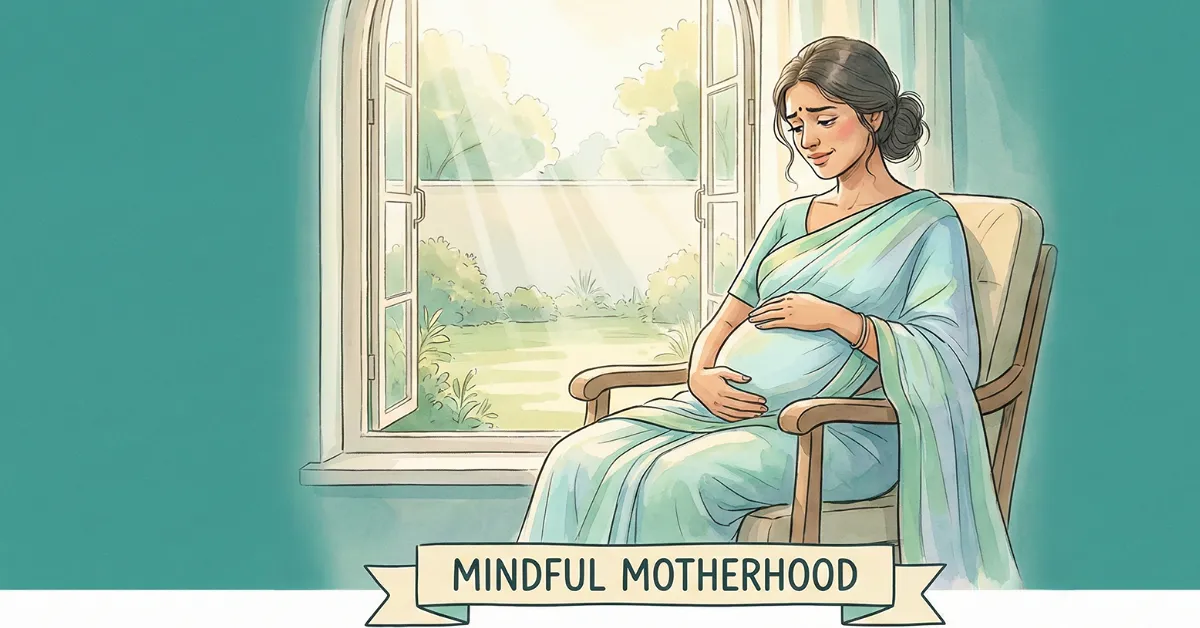
You're lying awake at 3 AM, hand on your growing belly, mind racing with questions: Is the baby okay? What if something goes wrong during delivery? Will I be a good mother? Can we afford this?
If you're pregnant and constantly worried, you're not alone. Some anxiety during pregnancy is completely normal—after all, you're growing a human being. But when does normal worry cross the line into something more serious?
At Mindspace, we help expectant mothers navigate the complex emotional landscape of pregnancy. This guide will help you understand antenatal anxiety, recognize when it needs professional attention, and find the support you deserve.
Understanding Pregnancy Anxiety: You're Not Alone
Pregnancy is one of life's most profound experiences—and one of its most anxiety-provoking. Research shows that up to 25% of pregnant women experience significant anxiety, with rates even higher in South Asian countries including Bangladesh.
Why Pregnancy Triggers Anxiety
Several factors make pregnancy a prime time for anxiety:
- Hormonal changes affecting brain chemistry- Physical discomfort and body changes- Fear of the unknown — especially for first-time mothers- Health concerns about the baby- Financial worries about raising a child- Relationship changes with partner and family- Previous pregnancy loss or fertility struggles- Information overload from internet searches
Common Pregnancy Worries
Almost every pregnant woman experiences some of these concerns:
- "What if there's something wrong with the baby?"- "Will the delivery be okay?"- "Am I eating the right things?"- "Can I handle being a mother?"- "Will my relationship survive this?"- "What about my career?"- "Can we afford a child?"
These worries are normal. They show you care about your baby and your future. The question is: when does normal worry become a problem?Normal Pregnancy Worry vs. Generalized Anxiety Disorder (GAD)
Understanding the difference is crucial for getting the right support.
Normal Pregnancy Worry
| Characteristics | Examples |
|---|---|
| Comes and goes | Worried before ultrasound, relieved after |
| Proportionate | Concern matches actual risk |
| Manageable | Can distract yourself, sleep okay |
| Doesn't consume you | Still enjoy aspects of pregnancy |
| Responds to reassurance | Feel better after doctor's visit |
Generalized Anxiety Disorder (GAD) in Pregnancy
| Characteristics | Examples |
|---|---|
| Constant | Worry present most of the day, every day |
| Excessive | Fear doesn't match actual risk level |
| Uncontrollable | Can't stop worrying even when you try |
| Physical symptoms | Racing heart, muscle tension, insomnia |
| Interferes with life | Can't work, eat, or enjoy anything |
| Doesn't respond to reassurance | Temporary relief, then worry returns |
Symptoms of Antenatal Anxiety Disorder
If you're experiencing several of these symptoms most days for at least two weeks, you may have antenatal anxiety:
Emotional Symptoms:- Excessive, uncontrollable worry- Feeling on edge or restless- Irritability- Sense of dread- Difficulty concentrating- Mind going blankPhysical Symptoms:- Racing heart or palpitations- Shortness of breath- Muscle tension- Headaches- Dizziness- Sweating- Nausea beyond morning sickness- Sleep problems- FatigueBehavioral Symptoms:- Avoiding prenatal appointments- Excessive checking (baby movements, symptoms)- Seeking constant reassurance- Unable to make decisions- Withdrawing from activitiesThe Impact of Anxiety on Pregnancy and Baby
Understanding how anxiety affects pregnancy can motivate seeking help—not add to your worries.
Effects on the Mother
- Physical health: Elevated blood pressure, poor nutrition, weakened immunity- Sleep problems: Which compound other issues- Relationship strain: With partner and family- Reduced prenatal care: Avoiding appointments- Higher risk of: Postpartum depression and anxiety
Effects on the Baby
Research shows that chronic, severe, untreated anxiety (not normal worry) can affect:
- Preterm birth — slightly increased risk- Low birth weight — correlation with high stress- Infant temperament — may be more fussy or reactive- Child development — potential impacts on attention and behavior
Important: These risks are associated with severe, prolonged, untreated anxiety. Getting treatment reduces these risks significantly. This is exactly why addressing anxiety matters—not as something to feel guilty about.Risk Factors for Antenatal Anxiety
Some women are more vulnerable to pregnancy anxiety:
- History of anxiety or depression before pregnancy- Previous pregnancy loss or traumatic birth- Fertility struggles — IVF or long journey to conceive- Unplanned pregnancy — mixed feelings- Lack of social support — limited family or partner help- Financial stress — economic insecurity- History of trauma — especially childhood or domestic abuse- Medical complications — high-risk pregnancy diagnosis- Perfectionism — high standards for self- Stressful life events — job loss, relationship issues, moving
Managing Pregnancy Anxiety: What Helps
Self-Help Strategies
1. Limit Information Intake
- Stop Googling symptoms — This almost always increases anxiety- Choose one reliable source — Your doctor and perhaps one good book- Avoid scary birth stories — They're not helpful- Take social media breaks — Comparison is the enemy2. Practice Relaxation Techniques
Deep Breathing:- Breathe in slowly for 4 counts- Hold for 4 counts- Exhale slowly for 6 counts- Repeat 5-10 timesProgressive Muscle Relaxation:- Tense each muscle group for 5 seconds- Release and notice the relaxation- Work from feet to headMindfulness:- Focus on present moment- Use pregnancy meditation apps- Notice baby movements mindfully3. Stay Physically Active
- Walking — Gentle, accessible- Prenatal yoga — Calming and strengthening- Swimming — Low impact, soothing- Light stretching — Reduces tensionAlways check with your doctor before starting exercise.4. Maintain Social Connection
- Talk to trusted friends about your feelings- Join prenatal classes — meet other expecting mothers- Don't isolate — anxiety thrives in silence- Accept help — You don't have to do everything alone5. Practice Good Sleep Hygiene
- Consistent bedtime routine- Comfortable sleep position — pillows help- Limit screens before bed- Address worries — write them down earlier in the day6. Nourish Your Body
- Regular meals — blood sugar affects mood- Stay hydrated — dehydration worsens anxiety- Limit caffeine — can increase anxiety symptoms- Eat balanced meals — protein, whole grains, vegetablesWhen Self-Help Isn't Enough: Professional Treatment
If your anxiety is significantly impacting your life, professional help is essential—and safe.
Therapy for Pregnancy Anxiety
Cognitive Behavioral Therapy (CBT):- Most researched treatment for anxiety- Identifies and challenges anxious thoughts- Develops coping strategies- Safe and effective during pregnancyOther Effective Approaches:- Mindfulness-Based Stress Reduction (MBSR)- Acceptance and Commitment Therapy (ACT)- Interpersonal Therapy (IPT)Medication During Pregnancy
For severe anxiety, medication may be necessary:
- Some medications are safe during pregnancy- Risk-benefit analysis — untreated severe anxiety also has risks- Decision made with doctor — considering your specific situation- Not a failure — sometimes it's the responsible choice
Never stop or start medication without medical guidance.Wellbeing Centers and Support in Bangladesh
Bangladesh is developing better support systems for pregnant women's mental health:
Available Resources
Wellbeing Centers:- Some hospitals now have dedicated support for antepartum women- Mental health screening becoming more common- Ask your prenatal care provider about available servicesMindspace Services:- Individual counseling for pregnancy anxiety- Online sessions for convenience- Couples counseling for expectant parents- Postpartum support planningWhat to Ask Your Doctor
- "Can you screen me for anxiety?"- "Are there mental health services at this facility?"- "What do you recommend for managing anxiety?"- "Is there a Wellbeing Center I can be referred to?"
For Partners and Families: How to Help
If someone you love is experiencing pregnancy anxiety:
Do:
✅ Listen without judgment or minimizing✅ Validate her feelings — "That sounds really hard"✅ Attend appointments together when possible✅ Take on more responsibilities — reduce her burden✅ Encourage professional help — accompany her if needed✅ Be patient — anxiety isn't rational, and she knows that✅ Educate yourself — understand what she's experiencingDon't:
❌ Say "just relax" — not helpful❌ Dismiss concerns — "You're overreacting"❌ Add pressure — about anything❌ Compare to others — "My sister was fine"❌ Take it personally — it's not about you❌ Try to "fix" her — support, don't solvePreparing for After Birth
Antenatal anxiety increases the risk of postpartum anxiety and depression. Planning ahead helps:
Create a Postpartum Mental Health Plan:
- Identify warning signs to watch for- List professional contacts (counselor, doctor)- Arrange practical support (family, hired help)- Discuss with partner how to check in- Know the difference between "baby blues" and something more seriousSigns to Seek Help After Birth:
- Anxiety or depression continuing beyond 2 weeks- Difficulty bonding with baby- Intrusive thoughts about harming yourself or baby- Inability to care for yourself or baby- Panic attacks- Feelings of worthlessness or being a "bad mother"A Message to Anxious Expectant Mothers
If you're pregnant and reading this with a worried heart, here's what we want you to know:
Your worry shows you care. The fact that you're concerned about your baby means you're already being a good mother.You're not weak or crazy. Anxiety during pregnancy is common, biological, and treatable.It's okay to ask for help. In fact, it's the strong, responsible thing to do—for yourself and your baby.You don't have to feel this way. With proper support, pregnancy can feel manageable, even enjoyable.You will be a good mother. The anxious thoughts telling you otherwise are lying.Mindspace: Supporting Expectant Mothers
At Mindspace, we provide specialized support for pregnancy-related mental health:
Our Services:
- Individual therapy for antenatal anxiety and depression- Couples counseling for expectant parents- Online sessions — comfortable from home- Postpartum planning — preparing for after birth- Support groups — connecting with other mothers
Why Expectant Mothers Choose Mindspace:
- Specialized knowledge of perinatal mental health- Non-judgmental environment- Culturally sensitive to Bangladeshi context- Convenient online options- Affordable sliding scale
Frequently Asked Questions
Will my anxiety harm my baby?
Normal worry will not harm your baby. Severe, chronic, untreated anxiety can have some effects, which is exactly why getting help matters. Treated anxiety = healthier pregnancy.Can I take anxiety medication while pregnant?
Some medications are considered safe during pregnancy. This is a decision to make with your doctor, weighing the risks of untreated anxiety against medication risks. Many women safely take anxiety medication during pregnancy.Is it normal to be anxious about being a good mother?
Absolutely. This is one of the most common worries. The fact that you care about being a good mother suggests you will be.My family says worrying is normal and I should just pray. What do I do?
Some worry is normal, and prayer/faith can help many people. But if anxiety is affecting your daily functioning, sleep, or ability to enjoy pregnancy, it has crossed into territory that needs professional support—in addition to any spiritual practices that help you.If pregnancy has become more worry than joy, reach out to Mindspace. You deserve to have a peaceful, healthy pregnancy—and we can help.Your mental health matters. For you and for your baby.