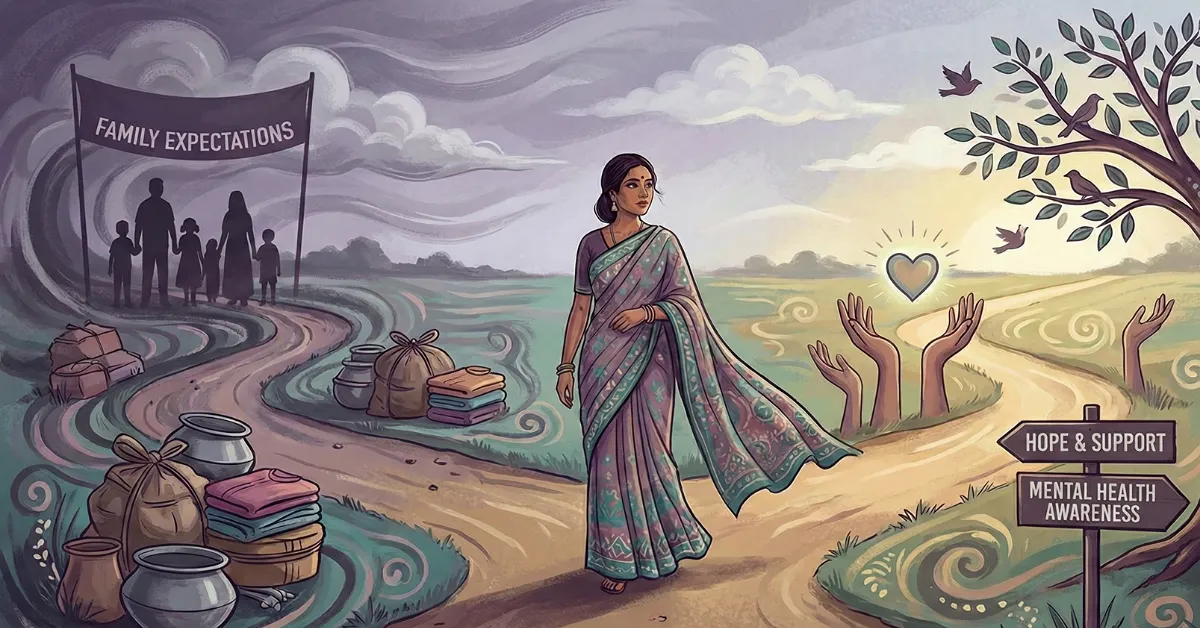
In Bangladesh, women are significantly more likely to experience anxiety and depression than men. While mental health struggles affect everyone, the unique combination of social expectations, economic dependence, and biological factors creates a perfect storm that puts women at heightened risk.
Understanding why this disparity exists is the first step toward addressing it. At Mindspace, we believe that every woman deserves access to mental health care—regardless of her circumstances.
Understanding Anxiety: What Does It Mean?
Anxiety meaning goes beyond just "feeling nervous." Anxiety is a persistent feeling of worry, fear, or unease that can interfere with daily life. While everyone experiences occasional anxiety, an anxiety disorder is characterized by:- Excessive worry that's difficult to control- Physical symptoms like rapid heartbeat, sweating, and trembling- Avoidance behaviors that limit daily activities- Difficulty concentrating or sleeping- Irritability and restlessness
In Bengali, anxiety is often described as "দুশ্চিন্তা" (Dushchinta) or "উদ্বেগ" (Udweg), but many women experience these symptoms without recognizing them as a treatable condition.
The Alarming Statistics: Women's Mental Health in Bangladesh
Research paints a concerning picture of women's mental health in Bangladesh:
- Women are 2 to 3 times more likely to experience depression than men- Approximately 60-70% of mental health patients in Bangladesh are women- Only 7.7% of women with mental disorders receive treatment- Anxiety disorders are the most common mental health issue among Bangladeshi women
These numbers reveal not just a health crisis, but a treatment gap that leaves millions of women suffering in silence.
Why Are Women at Higher Risk? Understanding the Factors
1. The Burden of Domestic Workload
Bangladeshi women carry the invisible weight of household responsibilities:
- Cooking, cleaning, and childcare fall primarily on women- Many women work a "double shift"—employment outside the home plus all domestic duties- Caregiver burnout is common among women caring for children, elderly parents, and in-laws- This constant work leaves no time for self-care or rest
"I wake up before everyone, go to bed after everyone, and somehow I'm still told I don't do enough." — Anonymous, Dhaka
2. Economic Dependence and Financial Stress
Economic factors significantly impact women's mental health:
- Many women are financially dependent on husbands or male family members- Lack of financial autonomy limits options for seeking help- Poverty and food insecurity disproportionately affect women- Women in the garment industry face particular stress with long hours and low wages- Economic abuse (controlling a woman's access to money) is a form of domestic violence
3. Social and Cultural Pressures
Society places unique burdens on women:
Marriage Pressure
- Pressure to marry young- Stigma of being unmarried after a certain age- Dowry demands and related stress- Fear of divorce and its social consequencesMotherhood Expectations
- Pressure to have children immediately after marriage- Blame for infertility (regardless of cause)- Preference for male children- Criticism of parenting choicesAppearance and Behavior
- Expectations to be "modest" and "obedient"- Criticism for clothing choices, social activities- Limited freedom of movement- Constant surveillance by family or society4. Domestic Violence and Abuse
The connection between violence and mental health is undeniable:
- Over 50% of women in Bangladesh have experienced some form of domestic violence- Physical, emotional, sexual, and economic abuse all contribute to depression and anxiety- Many women cannot leave abusive situations due to economic dependence or social stigma- Trauma from violence can lead to PTSD, depression, and anxiety disorders
5. Hormonal and Biological Factors
Women face unique biological challenges:
- Menstrual cycle changes can affect mood (PMS, PMDD)- Pregnancy and postpartum periods bring hormonal fluctuations- Perimenopause and menopause can trigger depression and anxiety- Thyroid disorders (more common in women) affect mental health- Polycystic Ovary Syndrome (PCOS) is linked to higher rates of depression
6. Reproductive Pressure and "Inbreeding Depression"
Research has highlighted concerning patterns:
- Consanguineous marriages (between relatives) are still practiced in some communities- These can lead to increased pressure on women to produce "healthy" children- Miscarriages and infant mortality are often blamed on mothers- Multiple pregnancies close together take a toll on physical and mental health- Infertility stigma disproportionately affects women
The Treatment Gap: Why Women Don't Get Help
Despite higher rates of mental illness, women in Bangladesh receive less care than men. Here's why:
Barriers to Treatment
| Barrier | Impact on Women |
|---|---|
| Financial | Women lack money of their own to pay for treatment |
| Permission | Women may need husband's/family's approval to see a doctor |
| Stigma | Fear of being labeled "pagol" (crazy) |
| Mobility | Limited ability to travel alone to clinics |
| Time | No break from domestic duties to seek care |
| Awareness | Not recognizing symptoms as treatable |
| Availability | Few female mental health professionals |
What Needs to Change
- Community education about women's mental health- Affordable and accessible services- Female counselors and safe spaces for women- Family involvement in treatment (with consent)- Workplace mental health programs for women- Legal protections for women seeking care
Recognizing Anxiety and Depression in Women
Women may experience symptoms differently than men:
Signs of Anxiety in Women
- Overthinking and constant worry- Physical symptoms: headaches, stomach issues, muscle tension- Sleep problems: difficulty falling or staying asleep- Perfectionism and fear of failure- People-pleasing to avoid conflict- Panic attacks with heart palpitationsSigns of Depression in Women
- Persistent sadness or feeling "empty"- Loss of interest in activities once enjoyed- Fatigue and low energy- Changes in appetite (eating too much or too little)- Feelings of worthlessness or excessive guilt- Difficulty concentrating or making decisions- Thoughts of death or suicideHow to Support Women's Mental Health
For Women Themselves
For Families
For Society
Mindspace: Supporting Women's Mental Health
At Mindspace, we are committed to addressing the gender gap in mental health care:
- Female counselors available for women who prefer them- Affordable services with sliding scale options- Online counseling for women who can't travel- Safe, judgment-free environment- Culturally sensitive approach- Advocacy for women's mental health rights
Our Services for Women Include:
- Individual counseling for anxiety and depression- Support for domestic violence survivors- Postpartum mental health support- Relationship and marriage counseling- Career and life transition support- Group therapy sessions
Breaking the Cycle: A Call to Action
The mental health crisis among Bangladeshi women is not inevitable. With proper support, treatment, and social change, we can:
- Reduce the treatment gap- Empower women to prioritize their mental health- Change social norms that harm women- Create a healthier future for the next generation
Every woman deserves mental health support. No woman should suffer in silence.Frequently Asked Questions
Why is anxiety more common in women?
A combination of biological factors (hormones), psychological factors (trauma, abuse), and social factors (gender roles, economic dependence) contribute to higher anxiety rates in women.Can anxiety and depression be cured?
With proper treatment, most women experience significant improvement. Many recover completely, while others learn to manage their symptoms effectively.How can I help a woman in my life who might be depressed?
Listen without judgment, validate her feelings, encourage professional help, and offer practical support like helping with chores or childcare.Is it safe to take medication during pregnancy?
Some medications are safe during pregnancy. A psychiatrist can help weigh the risks and benefits and find the best treatment option.If you're a woman struggling with anxiety or depression, know that you deserve help. Contact Mindspace today—your mental health matters.Together, we can create a Bangladesh where every woman has access to the mental health support she needs.